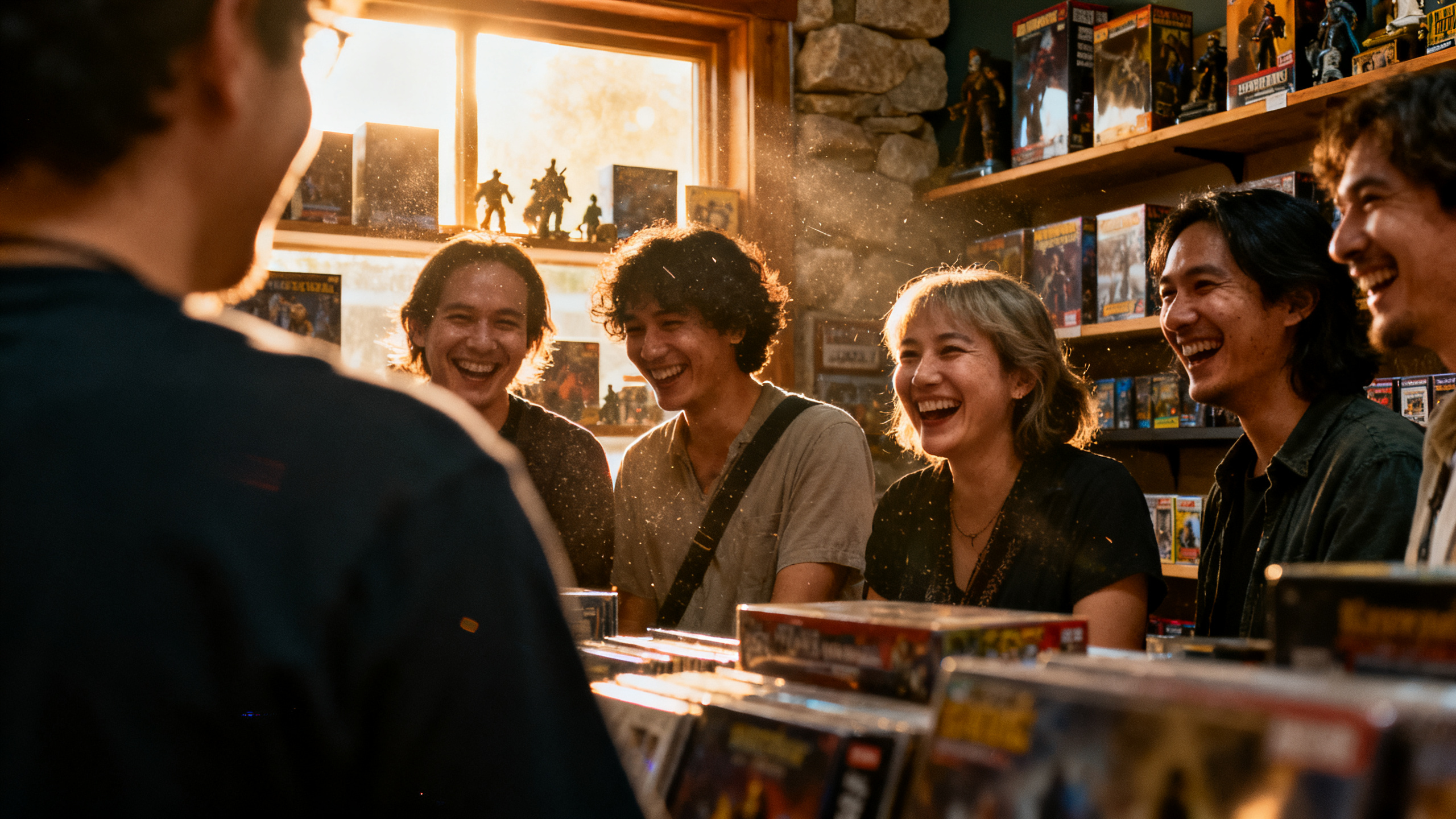
The shops that survive long term aren’t just selling things. They’re selling a reason to show up. And the ones that figure this out — that a hobby shop is really a community center with a cash register — are the ones that look around ten years later and realize their regulars have become something closer to family.
Building that community isn’t accidental. The shops with the strongest communities are intentional about it. Here’s what they do.
Start With the People Already There
The foundation of a shop community is the customers who already come back. Not the one-time visitors — the people who show up regularly, who talk to your staff, who linger. These are your anchors.
The first step in community building is simply recognizing these people. Learn their names. Remember what they’re into. Ask about the thing they mentioned last time. This costs nothing and creates disproportionate loyalty — because in a world of purely transactional commerce, being genuinely remembered is rare and meaningful.
These regulars will also become your recruiters if you let them. People with a place they love talk about it. Every strong hobby shop community has a core group of regulars who have personally brought in five, ten, twenty new customers over the years just by telling people about the shop.
Give People a Recurring Reason to Come In
The strongest driver of community in hobby shops is consistent, recurring programming. Not one-off events — things that happen on a schedule, week after week, that people can count on and build a habit around.
What this looks like depends on your shop type:
- Game nights — Magic: The Gathering, D&D, board games. Weekly or biweekly. Even a small, consistent group creates a gravitational pull that attracts more players over time.
- New release day rituals — Wednesday for comics, Record Store Day energy year-round for vinyl. Make the regular release schedule feel like an event.
- Monthly listening parties — Record stores that host a monthly “album of the month” listening session develop intensely loyal regulars who see the shop as a cultural hub, not just a store.
- Collector swap meets — Regular buy/sell/trade events create a marketplace energy that brings in both regulars and new faces.
- Reading groups — A monthly comics or graphic novel reading group gives customers a literary community anchor that connects them to each other as much as to the shop.
The key word is recurring. One-time events generate a spike and then fade. Recurring programming builds community because it gives people something to come back to.
Connect People to Each Other, Not Just to You
A healthy shop community isn’t hub-and-spoke (every relationship runs through the shop owner). It’s networked — customers know each other, talk to each other, and have connections that exist independently of the shop itself.
You accelerate this by making introductions. “Hey, have you met Marcus? He’s also into Silver Age DC — you two should talk.” This sounds simple because it is, but most shop owners don’t do it systematically. When customers develop relationships with each other through your shop, the community becomes self-sustaining.
Physical community boards — where customers can post about local events, for-sale items, gaming groups looking for players — also create low-friction connections between people who share interests.
The Digital Layer
Community lives primarily in the physical shop, but the digital layer extends it between visits. A Facebook group or Discord server for your shop regulars lets the conversation continue when the doors are closed. People share new arrivals, ask questions, organize meetups, and maintain the sense of belonging in between visits.
An email newsletter is your most durable digital community tool — you own the list, no algorithm controls the reach, and the people who stay subscribed are telling you they want to hear from you. Weekly new release announcements, event notices, staff picks, the occasional personal story from behind the counter — these keep the community warm between in-store touchpoints.
Why This Is Also Your Best Marketing
Community is a marketing flywheel. A shop with a strong community generates reviews organically, because people who feel like they belong somewhere want to tell others about it. It generates social content organically — customers post about events, tag the shop, share their hauls. It generates word-of-mouth referrals, the highest-converting traffic any local business can get.
And it makes your shop sticky in a way that pure transactional retail never can be. A customer who bought a comic from you is somewhat loyal. A customer who’s been coming to your Wednesday game night for two years and knows half the regulars by name isn’t going anywhere.
We help indie retailers build the online presence that makes this kind of community discoverable to the people who’d love it. Free audit here — or read about what a full engagement looks like on our indie retailer marketing page.