There’s a version of this question that sounds cynical: if you can get the same item from eBay for less money and have it in two days, why would you pay more and wait longer by buying from a local shop? Collectors debate this constantly. The answer reveals something interesting about what collecting actually is.
Collecting Is Not Shopping
Shopping is acquisition. You know what you want, you find the best price, you buy it. That’s Amazon’s entire value proposition, and it’s genuinely good at it. But collecting isn’t shopping. It’s a practice — ongoing, evolving, social. And local shops serve that practice in ways eBay fundamentally can’t.
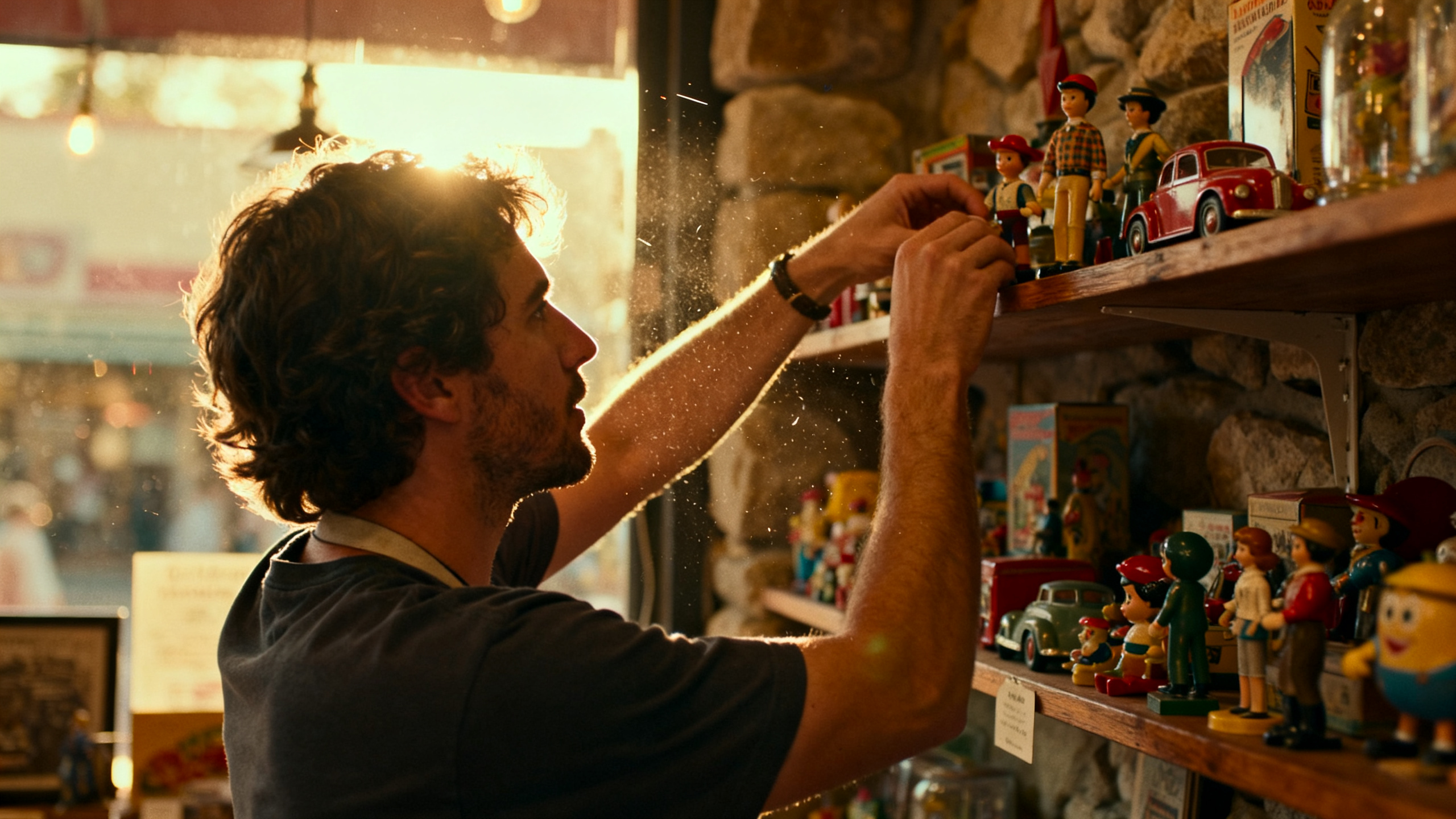
The collector who walks into a shop without a specific item in mind and walks out with three things they didn’t know existed — that experience has no online equivalent. Discovery is part of the value. The serendipity of finding something you didn’t know you were looking for, presented by someone who knew you’d want it, in a space curated around the things you care about. eBay’s search function only works if you know what to search for.
The Knowledge Transfer
A good local shop is also a knowledge resource that collectors trust in a way they don’t trust anonymous eBay sellers. When a record store employee tells you a pressing is VG+ with one light scratch that doesn’t affect play, you believe them because you know them, because you’ve bought from them before, because their reputation is local and real. When an eBay listing says the same thing, you’re taking a stranger’s word for it.
For high-value or graded items, that trust differential is enormous. Many serious collectors describe buying expensive pieces locally as the only way they’re fully comfortable — because they can inspect the item themselves, ask questions, and make the purchase knowing the person they’re buying from will still be there if there’s a problem.
The Community Premium
The other thing eBay can’t replicate is belonging. The collectors who shop locally regularly aren’t just customers — they’re members of a community. They know the other regulars. They talk about what came in, what they’re looking for, what they just scored. The shop is a social hub for a shared obsession.
This community has real value that collectors consciously choose to support. Many local regulars are clear-eyed about the fact that they could find individual items cheaper online — and they buy locally anyway, because they understand that the shop being there depends on them choosing it. It’s not charity. It’s self-interest in the long-term survival of something they value.
What This Means for Your Marketing
The collectors who would buy locally are already motivated to do so. Your marketing job is to make sure they can find you, to communicate what makes your shop worth choosing, and to demonstrate the expertise and community that eBay can’t match. That means showing up in local search, publishing content that demonstrates genuine knowledge, and being visible in the spaces — online and off — where your collector community gathers.
If you want help making your shop findable by the collectors already looking for a local source, start with a free audit.